
Description
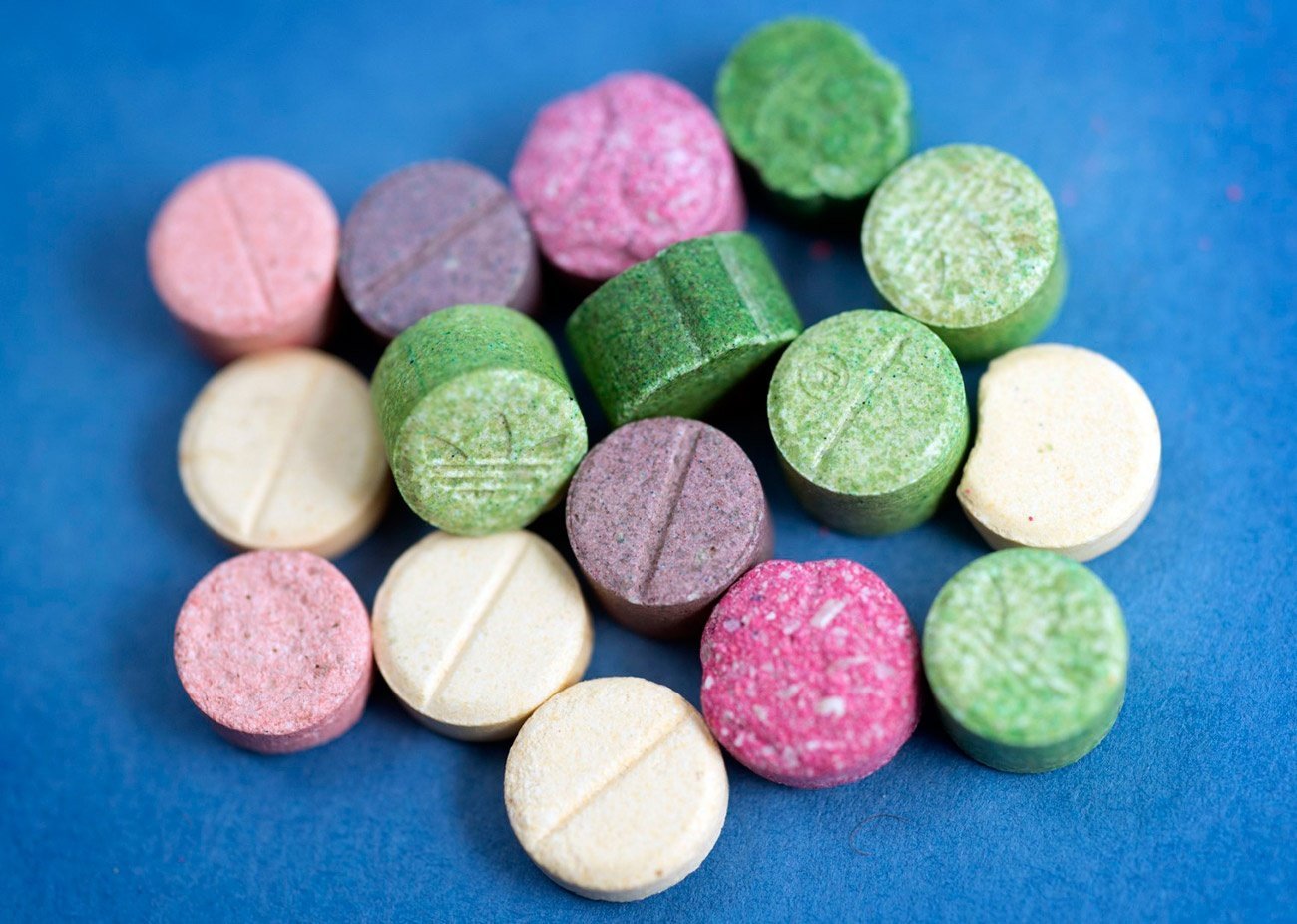
Molly also known as MDMA vs MDA also known as Sally are both synthetic drugs that belong to the amphetamine family, but they have distinct characteristics that set them apart. Sally, also known as MDA, is primarily known for its psychedelic effects, inducing hallucinations and altering perception. It has a longer duration of action compared to MDMA. On the other hand, Molly, or MDMA, is popularly associated with its empathogenic properties, enhancing feelings of empathy, and emotional openness, and fostering social connections.
MDMA is often used in social settings, such as dance parties or “raves,” due to its ability to increase energy levels and enhance the overall experience. Additionally, MDMA has been the subject of research for potential therapeutic applications, particularly in the treatment of Post-Traumatic Stress Disorder (PTSD). However, it’s important to note that both MDA and MDMA can pose serious health risks when misused. These risks include hyperthermia, neurotoxicity, addiction, and, in severe cases, even fatalities.
MDMA (3,4-methylenedioxymethamphetamine) and MDA (3,4-methylenedioxyamphetamine) are lab-made amphetamine derivatives with stimulant and psychoactive properties. MDMA, dubbed “ecstasy” or “molly,” emerged in 1912 from Merck, hitting raves by the 1980s for its empathy-boosting high. MDA, the “love drug,” surfaced in the 1960s counterculture, prized for its psychedelic edge. Taken as pills, powders, or crystals, both tweak serotonin, dopamine, and norepinephrine, but MDMA leans into emotional warmth while MDA veers toward visual intensity—a split rooted in a tiny chemical tweak.


Reviews
There are no reviews yet.